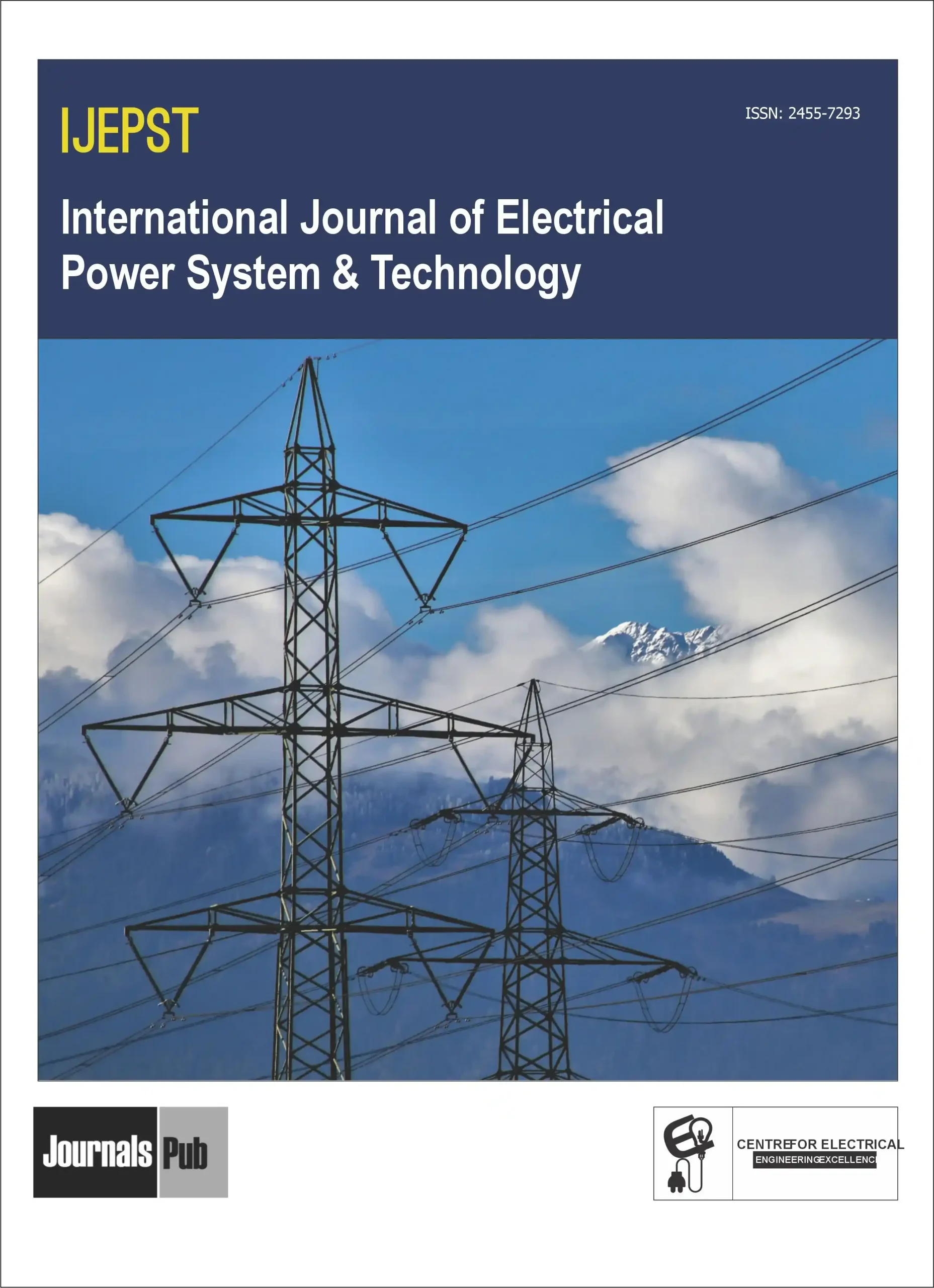
International Journal of Electrical Power System and Technology
The International Journal of Electrical Power System and Technology (IJEPST) is a peer-reviewed journal focused on advancing research, development, and innovation in electrical power systems, renewable energy, and energy technology. IJEPS serves as an essential resource for engineers, researchers, and professionals working on the design, optimization, and management of electrical power systems and energy infrastructure.
What This Journal Covers: Key Focus Areas
- Power Generation: Research on conventional and renewable energy sources, including solar, wind, thermal, and hydropower power generation systems.
- Power Distribution and Transmission: Techniques for efficient power distribution, grid integration, and energy flow optimization for urban and rural environments.
- Smart Grids and Smart Metering: Innovative solutions for smart grids, real-time monitoring, demand response, and smart metering technologies for better grid management.
- Renewable Energy Technologies: Exploration of solar power, wind energy, geothermal energy, and hydropower systems to reduce dependence on fossil fuels.
- Power Electronics and System Design: Research on power converters, inverters, controllers, and the integration of power electronics in energy systems.
Who Should Read the Journal
This journal is ideal for:
- Engineers and researchers working in the fields of electrical power systems, renewable energy, and energy technology.
- Academics and students seeking the latest research on power generation, grid management, and energy storage.
- Industry professionals involved in the design, optimization, and management of electrical power systems and energy infrastructure.
- Policymakers and regulatory bodies interested in energy policy, renewable energy integration, and smart grid standards.
- Technology developers focused on innovative energy solutions, energy efficiency, and sustainable energy practices.
Why It Matters
The International Journal of Electrical Power System and Technology (IJEPST) is crucial for advancing the field of electrical power systems and energy technologies. The journal plays a key role in:
- Disseminating cutting-edge research and technological advancements that contribute to more efficient, sustainable, and resilient power systems.
- Providing innovative solutions to global energy challenges, such as climate change, resource optimization, and energy security.
- Supporting interdisciplinary collaboration between researchers, engineers, and energy professionals to solve complex energy system challenges.
- Encouraging the development of renewable energy technologies and energy-efficient solutions to reduce the carbon footprint and promote sustainability.
By publishing both theoretical research and practical solutions, IJEPST contributes significantly to the advancement of power systems and the global transition to clean energy.
Submission & Peer-Review
IJEPS is available in both online and print formats, offering flexible access for readers worldwide:
- Online Subscription: Access full issues, archives, and research articles anytime through STM Journals’ digital platform, offering global convenience and accessibility.
- Print Subscription: Receive physical copies of the journal directly to institutions or homes, ideal for academic reference and professional use.
- Subscription plans, bulk orders, and institutional access are available through the STM Journals website or customer support.
Why Choose STM Journals?
STM Journals is committed to delivering high-quality research publications with:
- Rigorous peer-review standards ensuring credibility, academic integrity, and reliable research.
- Global distribution, reaching researchers, engineers, and industry professionals worldwide.
- Multiple access options, including both digital and print, to maximize research dissemination and accessibility.
- A focus on advancing energy technology, renewable energy systems, and sustainable power solutions.
The International Journal of Electrical Power System and Technology remains an essential resource for anyone committed to advancing power system design, improving energy infrastructure, and contributing to the future of global energy systems.