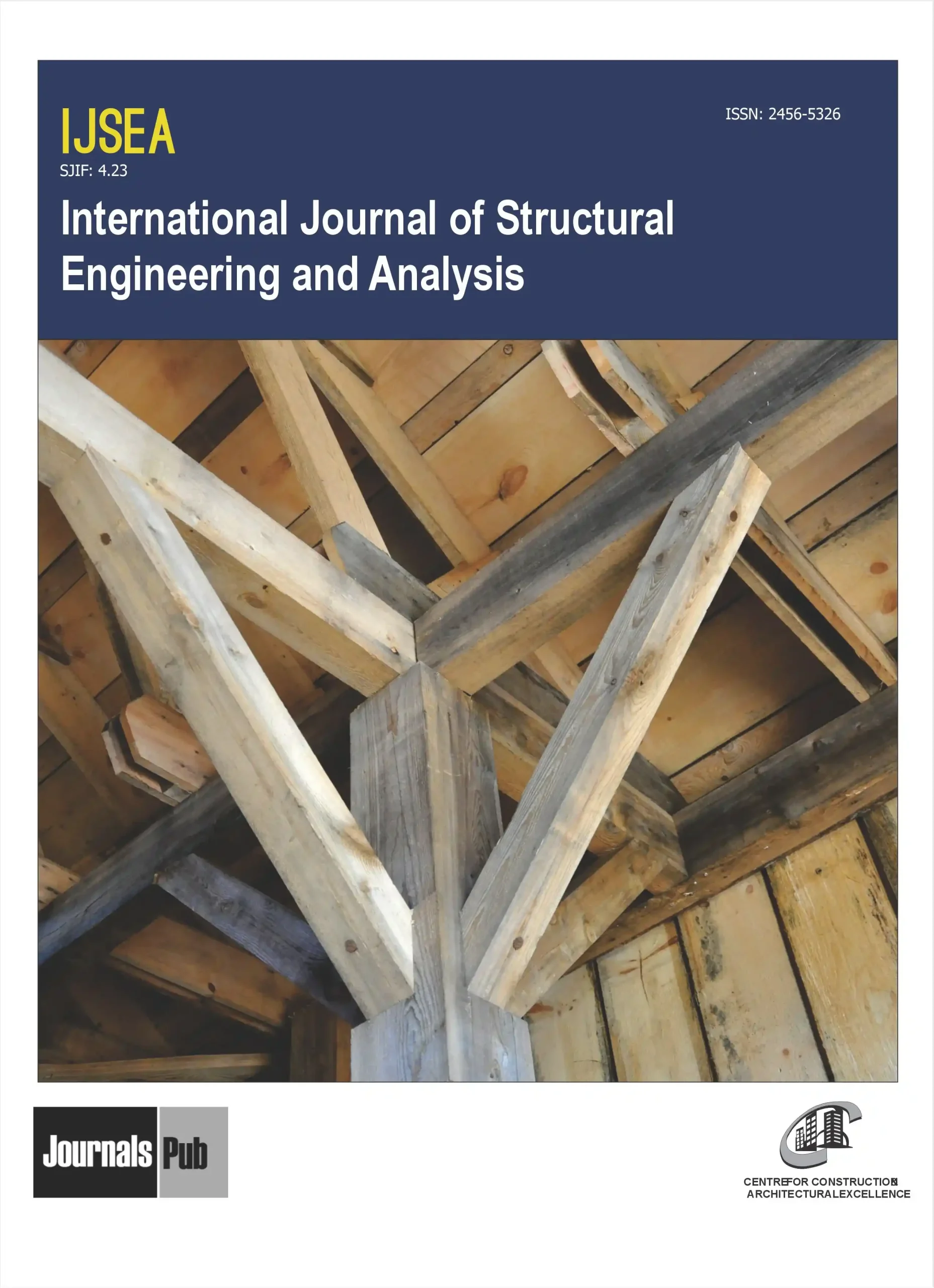
International Journal of Structural Engineering and Analysis
The International Journal of Structural Engineering and Analysis (IJSEA), published by STM Journals, is a premier peer-reviewed publication focusing on the advancement of research and practice in the field of structural engineering. Designed for professionals, researchers, and academics, this journal provides a platform for sharing innovative engineering solutions, the latest advancements in structural analysis techniques, and cutting-edge research that impacts the design, safety, and sustainability of structures.
What This Journal Covers: Key Focus Areas
This journal comprehensively addresses various critical topics within the structural engineering discipline, ensuring its relevance for both theoretical research and practical applications:
-
Structural Design & Analysis: Innovations in the design and analysis of buildings, bridges, and industrial structures.
-
Material Science & Engineering: Research on advanced, sustainable, and high-performance construction materials.
-
Seismic Engineering: Developments in earthquake-resistant designs and retrofitting methods.
-
Sustainability in Construction: Focus on energy-efficient designs and reducing environmental impact.
-
Construction Technologies & Innovations: Trends in robotics, 3D printing, and AI in construction and engineering.
Who Should Read the Journal?
This publication is an essential resource for:
-
Structural engineers specializing in building design, infrastructure, and civil engineering.
-
Researchers and academics in structural engineering, materials science, and construction technologies.
-
Educators and students studying advanced engineering practices, design theories, and construction techniques.
-
Construction firms, contractors, and design consultants seeking innovative solutions and up-to-date technical knowledge.
-
Policymakers and regulatory bodies focused on infrastructure safety, building codes, and environmental standards.
Why It Matters
Structural engineering is critical for the safety, functionality, and sustainability of the built environment. The International Journal of Structural Engineering and Analysis plays a pivotal role in:
-
Disseminating the latest research and findings that guide engineering practices and decision-making in real-world projects.
-
Introducing innovative approaches and technologies that push the boundaries of traditional engineering practices.
-
Fostering interdisciplinary collaboration between civil engineers, architects, material scientists, and construction professionals.
-
Supporting engineering education by providing evidence-based content and case studies for the next generation of professionals.
By advancing the knowledge base and sharing cutting-edge research, IJSEA contributes to the development of safer, more efficient, and sustainable infrastructure globally.
Subscription & Peer-Review
IJSEA is available in both online and print formats, providing flexible access to readers:
-
Online Subscription: Full access to current issues, past articles, and research papers via STM Journals’ digital platform.
-
Print Subscription: Physical copies delivered directly to institutions or professionals for easy reference and teaching purposes.
-
Subscription plans and bulk orders are available directly through the STM Journals website or customer support.
Why Choose STM Journals?
STM Journals ensures high-quality, peer-reviewed publications with a global reach, offering:
-
Rigorous peer-review processes to guarantee the integrity and credibility of every article.
-
Extensive international distribution to reach professionals, educators, and researchers across the world.
-
Flexible subscription options, including digital access for seamless reading across devices and print for traditional reference.
-
Focus on advancing research in structural engineering, materials science, and sustainable construction practices.
The International Journal of Structural Engineering and Analysis is a must-read for anyone involved in the design, analysis, or construction of structures, as it drives the global conversation on building the future of infrastructure.